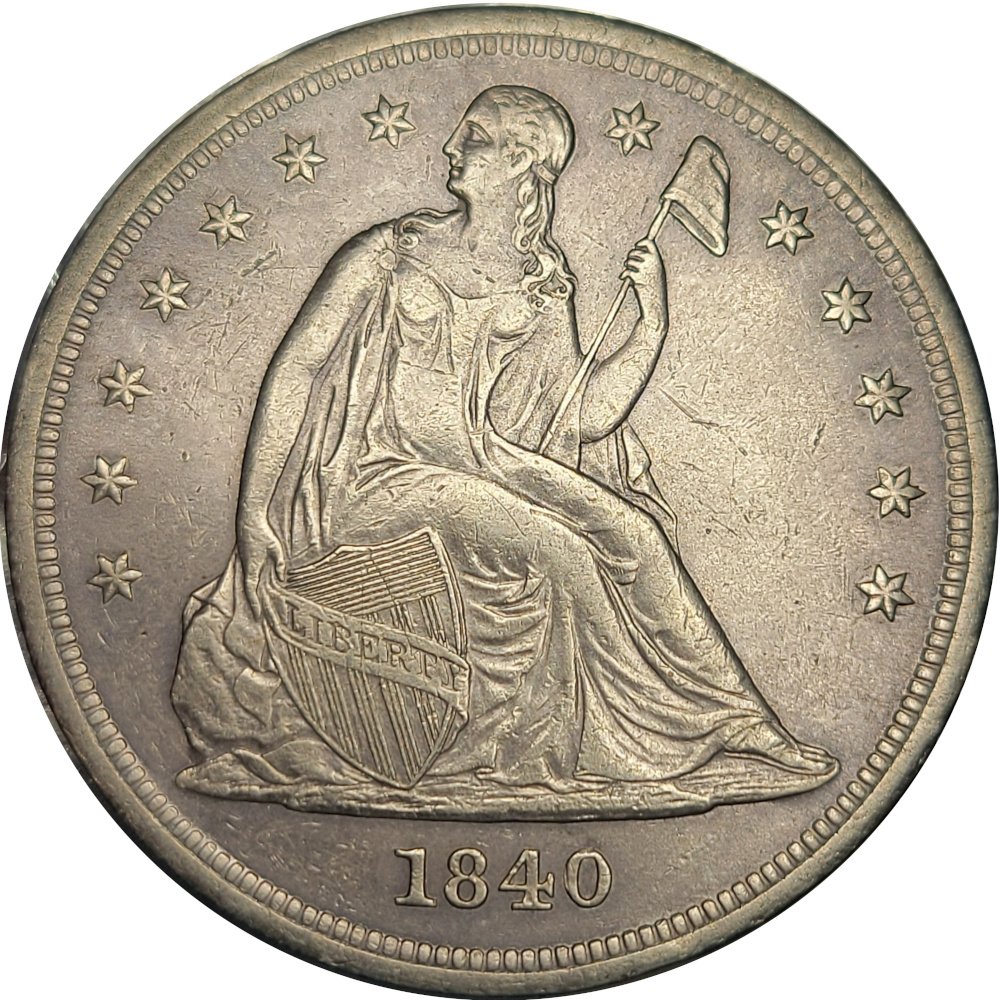
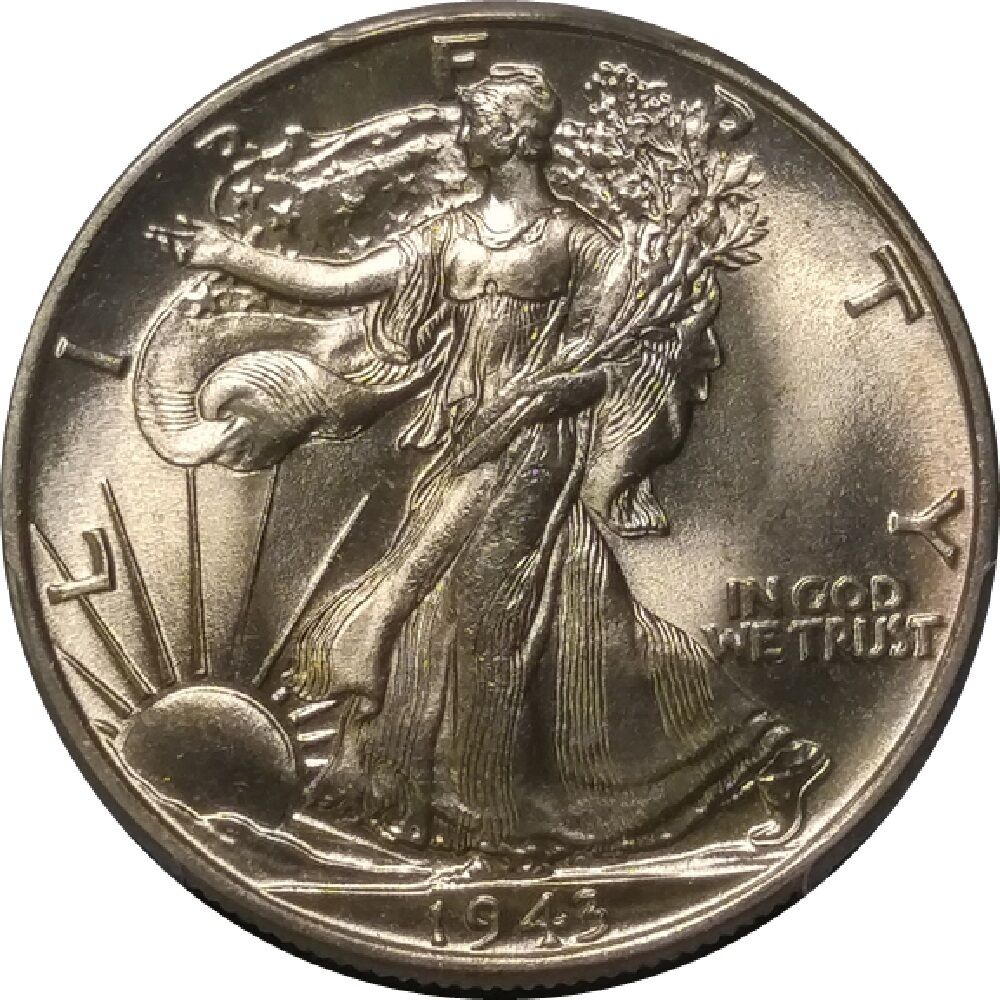
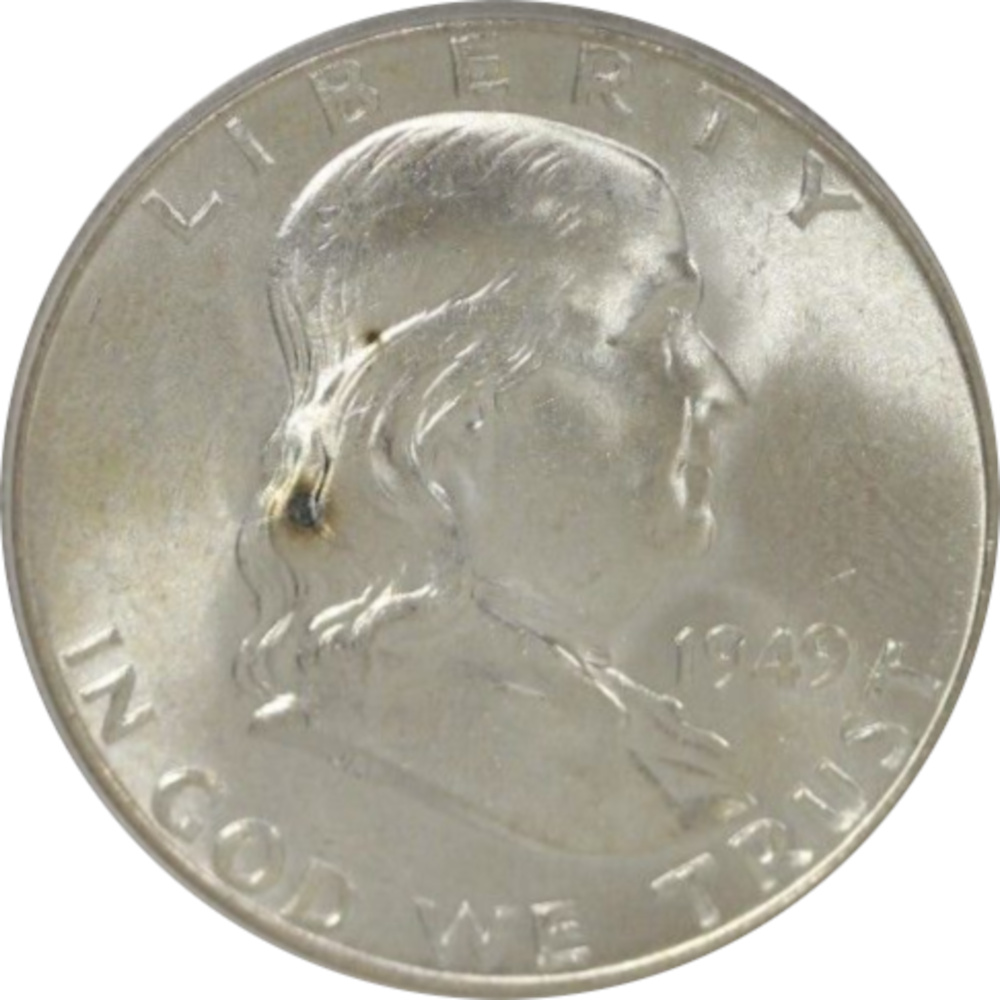
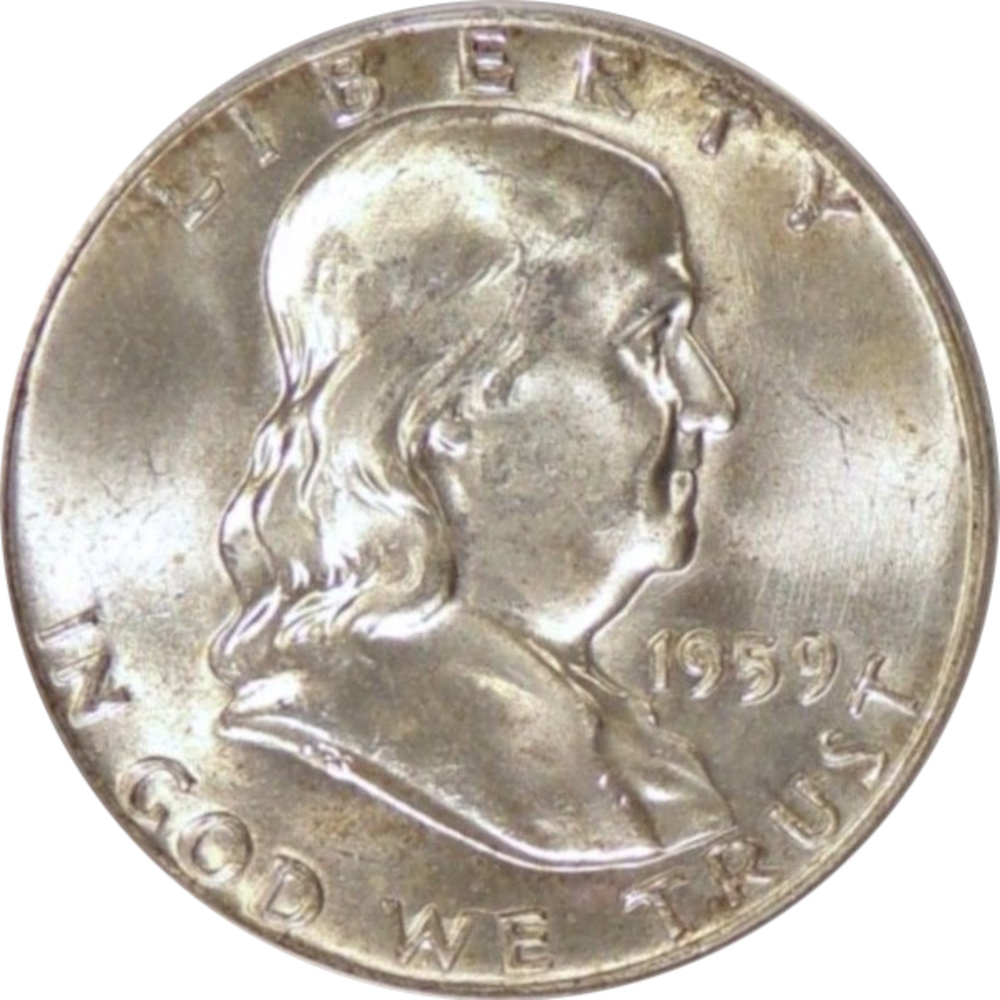
1840 $1 Liberty Seated Dollar – First Year of Issue. According to Ron Guth, collectors save first-year type coins because of the novelty of the new designs. Thus many first-year type coins appear in unusually high quantities and in above-average grades because they we set aside and preserved. Such was not the case with the 1840 Seated Liberty Dollar. The explanation could be simple: perhaps collectors could not afford to set aside quantities of high-value dollar coins or the design may have been too similar to that of the Gobrecht Dollars issued from 1836-1839. Whatever the reason, collectors now face a challenge finding nice examples of this date. The 1840 Silver Dollar ranks in the rarest third of all dates in the series. According to Q. David Bowers in “Silver Dollars & Trade Dollars of the United States: A Complete Encyclopedia” (Wolfeboro, NH: Bowers and Merena Galleries, Inc., 1993): First quantity coinage in many years: Although the Mint released for circulation some 1,900 Gobrecht dollars dated 1836 and 1839, the last large quantity mintage of this denomination prior to 1840 was when dollars dated 1802 and 1803 were made in 1804. After August 1, 1834, when the authorized weight was reduced, gold coins were made in large quantities and stayed in the channels of commerce. By 1840, numerous $2.50 and $5 gold coins were in circulation and were in the reserve accounts of banks, reducing the need for silver dollars. (Carothers discusses this in Fractional Money, p. 99.) There was a great demand, however, for lower denomination silver coins, and unprecedented quantities of half dimes, dimes, and quarter dollars spewed forth from coining presses in Philadelphia and, to a lesser extent, New Orleans. Carothers notes that “more of these pieces were coined in the four years after 1834 than in the previous history of the Mint.” Further, by 1840 the general public had become quite used to Capped Bust half dollars (minted 1807-1836) and the half dollars of the dates immediately preceding and following, made in large quantities, and there was no widespread call for new coins of the higher dollar denomination. What demand there might have been for additional larger silver coins was diminished with the advent of large amounts of new gold coins after August 1, 1834, as noted. Silver bullion scarce: Even if silver dollars had been wanted, there was no significant supply of native silver on hand from which to coin them. In 1840 the United States was producing from its own mines a yearly average of only $25,000 worth of the metal, only a fraction of what was needed to make other silver coins (half dimes to half dollars). Silver for coinage purposes had to be imported or made from melted-down Spanish-American and other foreign coins in American circulation. Ironically, the legal tender “silver dollars” in commerce were more often than not apt to be products of one of the numerous mints of Mexico, a country which, unlike the United States, was busy mining more silver than it knew what to do with. Silver dollars for silver bullions (Information under the “Silver dollars for silver bullion” heading is from R.W.Julian). From 1840 to 1852, dollars were coined essentially on demand from the public. Those who wanted dollars brought the necessary bullion to the mint of their choice (Philadelphia or New Orleans; the latter mint making its first dollars in 1846) and received the coins. It worked the same way for lower denominations. After January 1837 there was a bullion fund established for each mint as was necessary, so that coins could be struck in advance and the deposit paid off more quickly. (Later, after the opening of the Carson City Mint in 1870, that facility did not have a bullion fund for silver dollars and gold coins, and depositors of bullion had to wait for payment.) How many silver dollars were struck in advance prior to 1852 cannot now be determined unless a researcher were to spend considerable time at the Archives examining the accounts. It is believed that the silver dollar did not have much advance coinage. The original intention of the silver dollar, as explained by Director Robert Maskell Patterson in the 1830s, was to alleviate the large coinages of half dollars. Many of these half dollars were meant for backing of the paper money issued by various private banks and other entities, such as the semi-official state banks. The dollar coinages of 1840-1852 reflect the demands by private individuals and institutions for such coinage, and to get it they had to deposit silver bullion. (Individual specimens and Proof pieces were available on a limited basis to the public.) Silver dollars circulated: For most years during the 1840s, a silver dollar was worth just slightly over face value in terms of gold, not enough of a premium to warrant melting into bullion. Thus, large numbers of dollars circulated. While the new Liberty Seated dollars were produced and used domestically, as time went on, and especially after the Orient trade increased out of San Francisco after 1849-1850, many such dollars were shipped overseas where they were melted. During the 1840s, much more value in silver was coined in half dollars than in silver dollars. Taking the year 1840, silver dollars amounted to 61,005 pieces, while half dollars came to 2,290,108 coins with a face value of $1,145,054, or 19 times greater than the value of silver dollars minted during the same 12-month period. While there is no doubt that the Liberty Seated dollar did its duty in American commerce during the 1840s, all during the Liberty Seated dollar era half dollars were the coins of choice in the United States. As noted earlier, the point became moot after the spring of 1853, when Mint Director James Ross Snowden halted the payment of silver dollars at par. After that time, Liberty Seated dollars ceased to circulate, as their silver value was higher than their face value. Numismatic Information As with all Liberty Seated dollars, the prominent relief of the shield causes the word LIBERTY to wear away much faster than on lower denominations in the Liberty Seated series, particularly the half dime and dime. These latter denominations can be worn considerably and still have LIBERTY showing, whereas on silver dollars the word begins to disappear after only slight wear. Silver dollars dated 1840 have always been in strong demand by collectors as the first year of the design type. Most dollars of this era have bold, broad rims, making them very attractive but, at the same time, susceptible to bruises.
With proper care, your pearl jewelry will maintain its beauty for generations. Follow these simple guidelines to keep your pearls lustrous and elegant.
Daily Care
Put pearls on last when dressing - after makeup, perfume, and hairspray
Wipe gently with a soft, damp cloth after each wearing to remove body oils
Avoid contact with cosmetics, perfumes, lotions, and hairsprays
Remove pearls before swimming, showering, or exercising
Don't wear pearls while applying makeup or styling hair
Storage
Store separately from other jewelry to prevent scratching
Use the soft pouch provided with your purchase
Keep away from direct sunlight and heat sources
Avoid plastic bags - pearls need to breathe
Store flat for necklaces to prevent stretching
Keep in a cool, dry place with some humidity
Cleaning
Use only a soft, damp cloth - microfiber or cotton
Never use ultrasonic cleaners or steam cleaners
Avoid harsh chemicals, detergents, and abrasive cleaners
Don't soak pearls in water or cleaning solutions
Let air dry completely before storing
Pro Tip
Wearing your pearls regularly actually helps maintain their luster! The natural oils from your skin keep pearls hydrated and beautiful.
Things to Avoid
Chlorine (swimming pools) - damages pearl luster
Salt water - can dry out and damage pearls
Vinegar, lemon juice, or other acids
Hair spray and perfume - contains alcohol and chemicals
Excessive heat and direct sunlight
Storing in a safe deposit box for long periods (too dry)
Shipping & Return Policy
Q1.SHIPPING TIMES AND COSTS ?
FREE Shipping for orders over $69 USD.
All orders are processed mostly within 48 hours and shipped Monday to Friday (Excluding weekends and holidays).
Delivery Time: Orders are typically delivered within 10-20 business days (excluding weekends).
Please go to the TRACK YOUR ORDER page to find out your order delivery status.
Please note that all shipping time are estimiated by carrrier, and we cannot guarantee shipping times.
See the Shipping policy for details on shipping costs, terms, delivery times and FAQs.
Q2.EXCHANGES, RETURNS AND REFUNDS
At Joucey Pearls, we take pride in the quality of our jewelry. Our return policy is designed to ensure a smooth and fair process for both our customers and our business.
We only accept returns for items that are damaged during delivery. You must request a return within 30 days of receiving your item if it was damaged upon arrival.
To be eligible for a return due to damage:
The item must be in the same condition that you received it, with tags and original packaging.
You must provide proof of purchase (receipt or order confirmation) and clear photos of the damage. We might like to discuss with you for a replacement immediately for damaged items.
Please note:
The customer is responsible for return shipping costs, and shipping/handling fees from the original purchase are non-refundable.
We do not accept returns for reasons such as change of mind, dislike of the item, or if the item has been worn, scratched, or damaged after delivery.
Non-Returnable Items
Custom products (such as special orders or personalized items) cannot be returned.
Custom products (such as special orders or personalized items) cannot be returned.
Sale items, discounted items, personalized items, and gift cards are FINAL SALE and cannot be returned or exchanged. If you have any questions or concerns about your specific item, please contact our customer service team. Joucey Pearls is not liable for return shipments lost or damaged in transit.
Secure Payments
Description for this block.
Free Shipping
Description for this block.
24/7 Support
Description for this block.
Gifts & Sales
All of our items come in a beautiful gift box designed to showcase the beauty of your pearls.