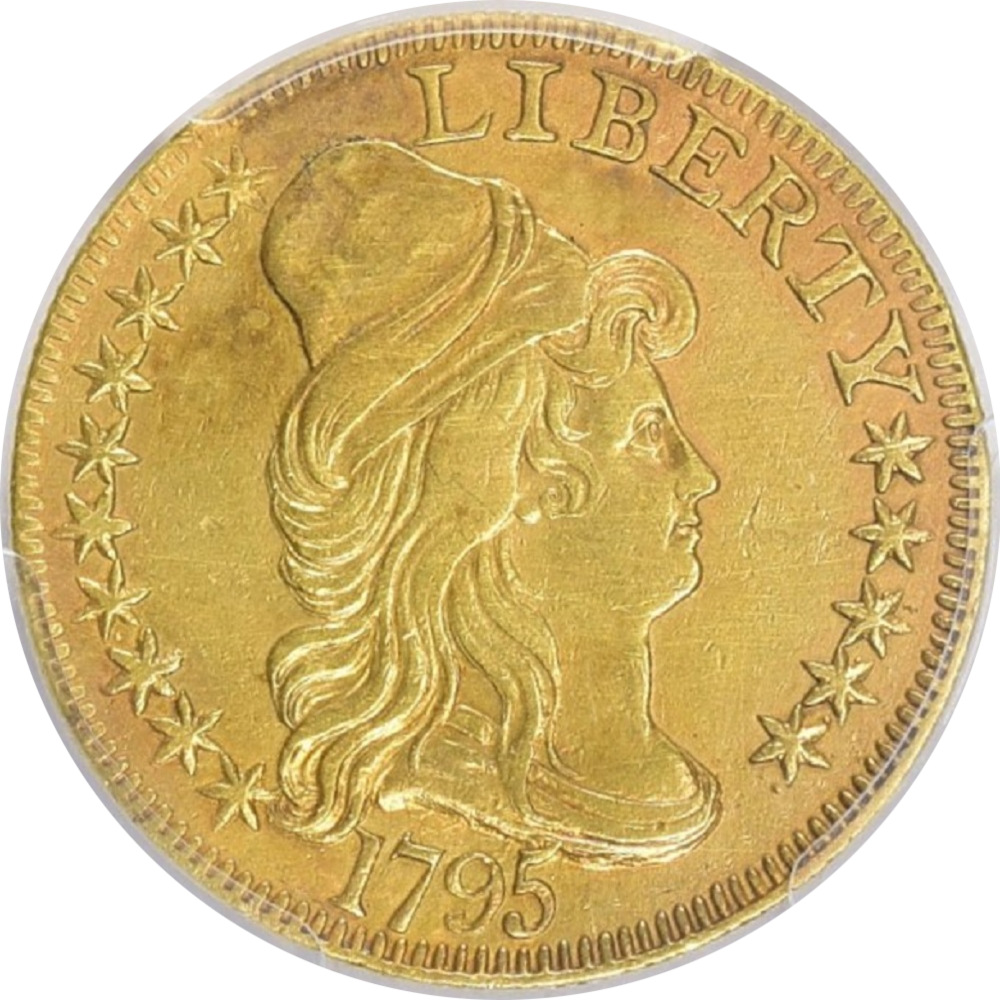
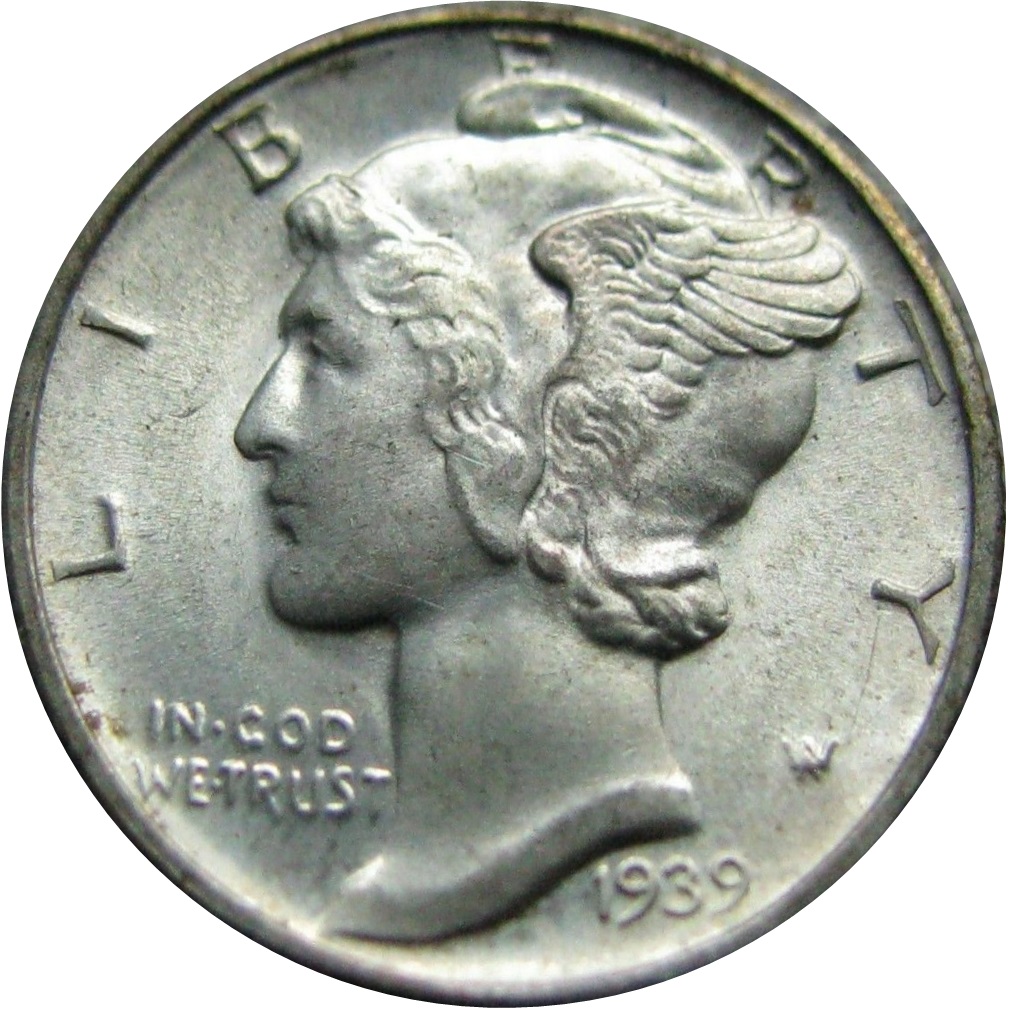
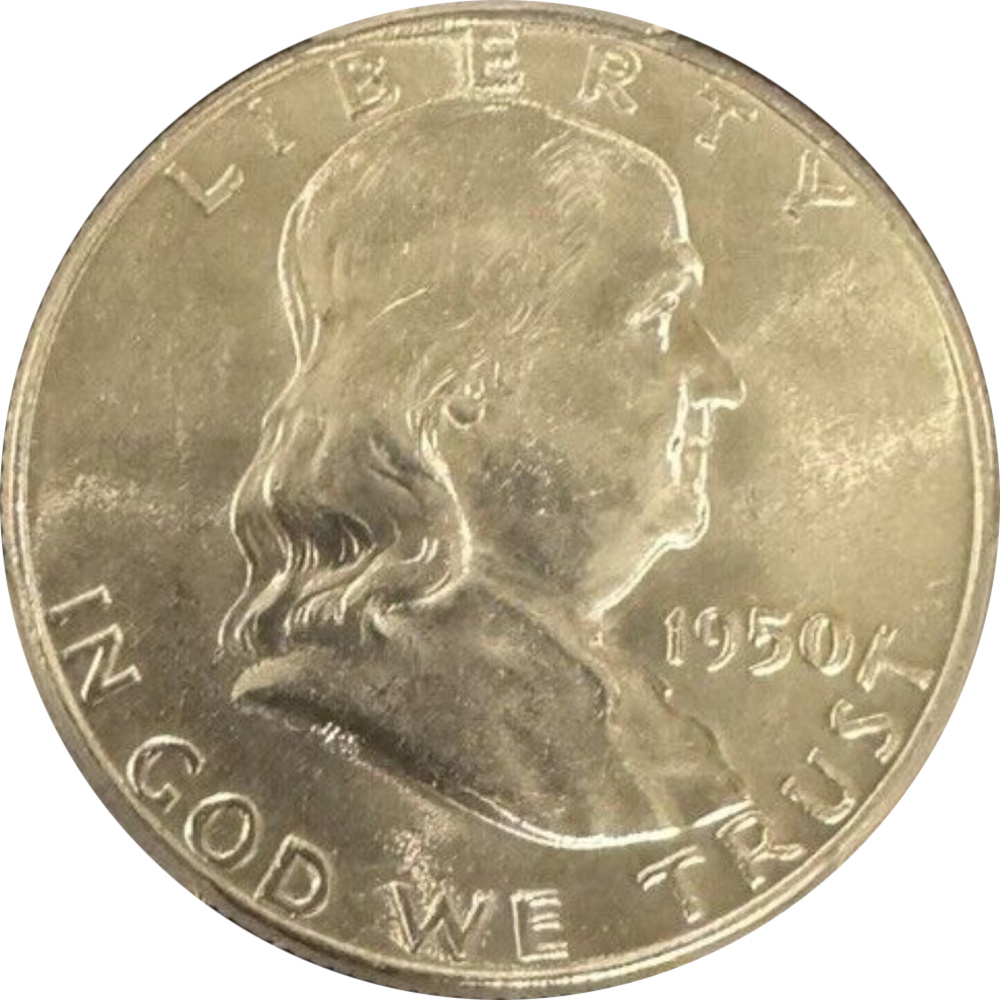
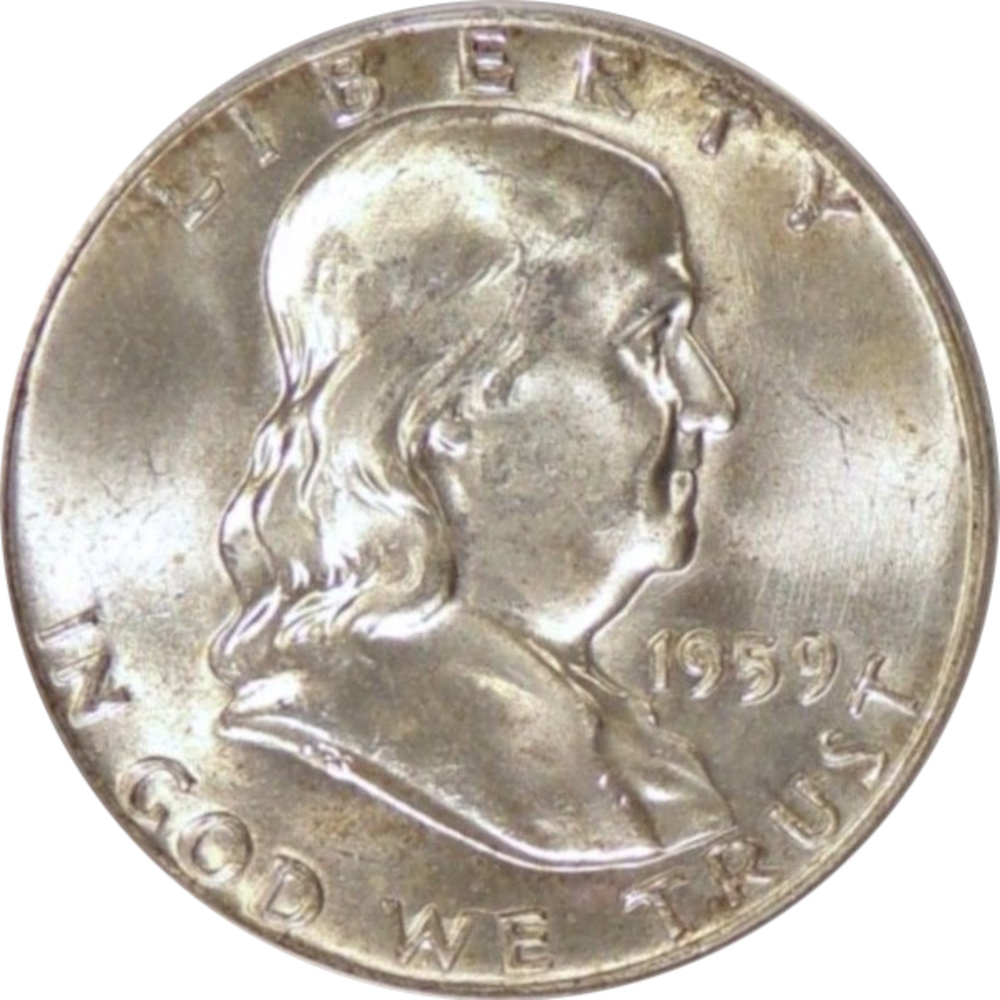
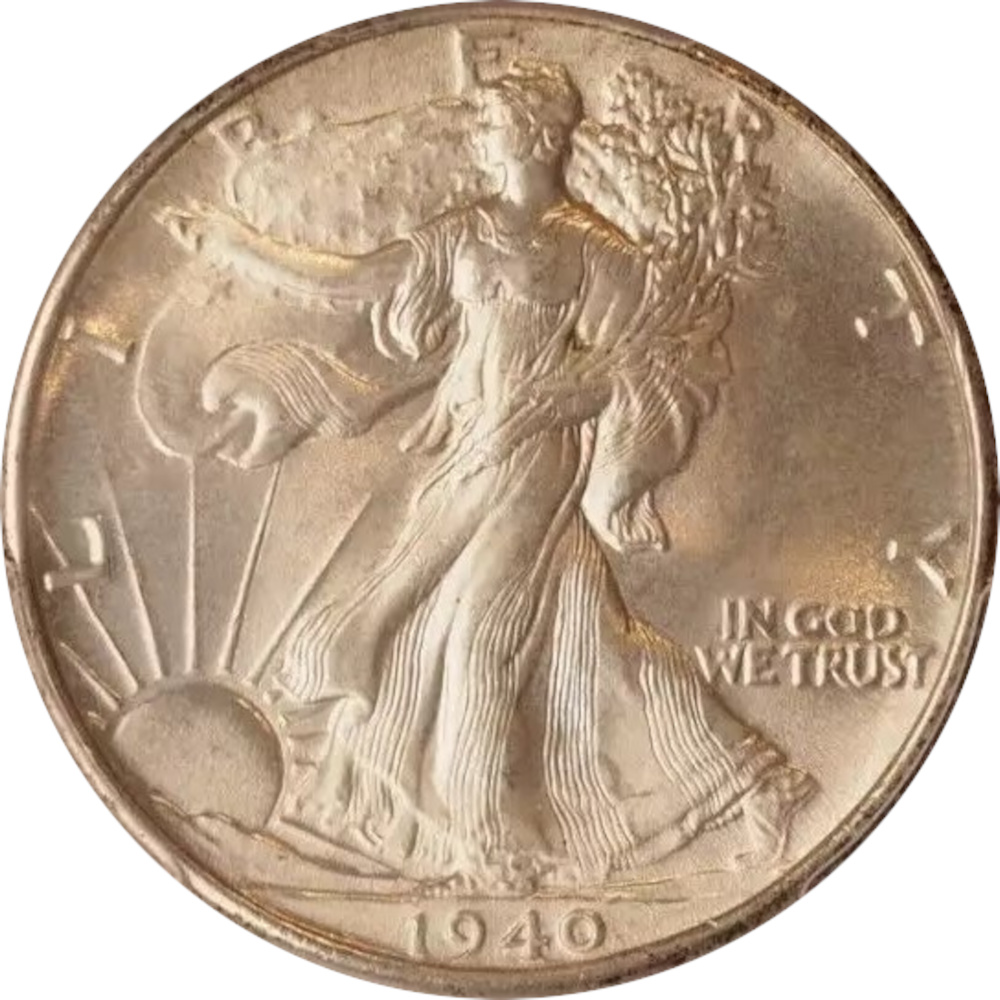
1795 $5 Draped Bust Small Eagle Half Eagle PCGS XF Detail. This is among the first gold coins officially produced by the United States. It is the most common of the first year gold issues with a mintage of 8,707 coins struck according to Mint records. Heritage: Well, it was a start. The fledgling Mint first produced copper coins in 1793, silver coins in 1794, and its first gold coins–eagles and half eagles–in 1795. The quarter eagles would have to wait until late 1796. It is likely that mint personnel produced the larger eagles and half eagles as a matter of national prestige (and due to greater need), but it was slow going at first. The Mint first made the 1795 Small Eagle half eagles before switching to the 1795 Large Eagle (or Heraldic Eagle) reverse later in the year. But it reverted to the Small Eagle reverse for a few pieces made in 1798, an indication of just how in demand serviceable dies were. For the ten dollar or eagle denomination, the Small Eagle reverse lingered through 1797. None of the early half eagles or eagles bore their respective denominations. John Dannreuther points out in Early U.S. Gold Coin Varieties that the term ‘denomination’ is actually a misnomer: “Even though a gold eagle was denominated as a ten-dollar coin, our forefathers traded gold by the tale. The weight and purity were the only things important to merchants and individuals–money was gold, and gold was money. In most cases, transactions had to be settled in gold, especially where governments were involved. There really was no need for at first for a stated denomination on either gold (or silver) coins, because it was known that our coins would be under extreme scrutiny and would likely be assayed by foreign mints and others as to their weight and purity. However, Robert Morris, Alexander Hamilton, and Thomas Jefferson, the architects of the United States’ monetary system, realized that a bi-metallic system would afford this new country a more flexible currency, as both would be readily acceptable. Thus, the gold eagle was equal to 10 silver dollars, although eagles bore no denomination until their resumption of production in 1838.” Dannreuther also mentions the fortunate happenstance that our forefathers made the national bird the eagle rather than the turkey that Benjamin Franklin favored, else we might be writing about half turkeys and double turkeys! It is worth noting that among silver coins, the presence or absence of a stamped denomination on the coins was also sporadic until well into the 1800s. In many ways the early half eagles and eagles were little different from the octagonal gold ‘ingots’ representing fifty dollars in California gold, which would appear a half-century later, or the rectangular assay bars representing different weights and values of gold and silver. The early gold coinage, however, showed the advantages of a consistent design, a uniform value and shape, a convenient form, and issuance by the United States government, benefits that were enormous–and irreproducible in California until the opening of a branch mint there. The early Mint little cared what date a coin bore, and the reported quantities of coins made often failed to match the years stamped thereon. The Guide Book records a mintage of 8,707 coins for the initial-year 1795 half eagle. But the 1795 issues were created from 12 different die pairings. Dannreuther points out that the single 1796 issue used an overdated 1796/5 obverse die married to a reverse from 1795 BD-12, adding that ‘there is little doubt that some of the half eagles delivered in 1796 were dated 1795.’ Accordingly, the author estimates the total 1795 half eagles minted at between 8,707 and 12,106 pieces.
With proper care, your pearl jewelry will maintain its beauty for generations. Follow these simple guidelines to keep your pearls lustrous and elegant.
Daily Care
Put pearls on last when dressing - after makeup, perfume, and hairspray
Wipe gently with a soft, damp cloth after each wearing to remove body oils
Avoid contact with cosmetics, perfumes, lotions, and hairsprays
Remove pearls before swimming, showering, or exercising
Don't wear pearls while applying makeup or styling hair
Storage
Store separately from other jewelry to prevent scratching
Use the soft pouch provided with your purchase
Keep away from direct sunlight and heat sources
Avoid plastic bags - pearls need to breathe
Store flat for necklaces to prevent stretching
Keep in a cool, dry place with some humidity
Cleaning
Use only a soft, damp cloth - microfiber or cotton
Never use ultrasonic cleaners or steam cleaners
Avoid harsh chemicals, detergents, and abrasive cleaners
Don't soak pearls in water or cleaning solutions
Let air dry completely before storing
Pro Tip
Wearing your pearls regularly actually helps maintain their luster! The natural oils from your skin keep pearls hydrated and beautiful.
Things to Avoid
Chlorine (swimming pools) - damages pearl luster
Salt water - can dry out and damage pearls
Vinegar, lemon juice, or other acids
Hair spray and perfume - contains alcohol and chemicals
Excessive heat and direct sunlight
Storing in a safe deposit box for long periods (too dry)
Shipping & Return Policy
Q1.SHIPPING TIMES AND COSTS ?
FREE Shipping for orders over $69 USD.
All orders are processed mostly within 48 hours and shipped Monday to Friday (Excluding weekends and holidays).
Delivery Time: Orders are typically delivered within 10-20 business days (excluding weekends).
Please go to the TRACK YOUR ORDER page to find out your order delivery status.
Please note that all shipping time are estimiated by carrrier, and we cannot guarantee shipping times.
See the Shipping policy for details on shipping costs, terms, delivery times and FAQs.
Q2.EXCHANGES, RETURNS AND REFUNDS
At Joucey Pearls, we take pride in the quality of our jewelry. Our return policy is designed to ensure a smooth and fair process for both our customers and our business.
We only accept returns for items that are damaged during delivery. You must request a return within 30 days of receiving your item if it was damaged upon arrival.
To be eligible for a return due to damage:
The item must be in the same condition that you received it, with tags and original packaging.
You must provide proof of purchase (receipt or order confirmation) and clear photos of the damage. We might like to discuss with you for a replacement immediately for damaged items.
Please note:
The customer is responsible for return shipping costs, and shipping/handling fees from the original purchase are non-refundable.
We do not accept returns for reasons such as change of mind, dislike of the item, or if the item has been worn, scratched, or damaged after delivery.
Non-Returnable Items
Custom products (such as special orders or personalized items) cannot be returned.
Custom products (such as special orders or personalized items) cannot be returned.
Sale items, discounted items, personalized items, and gift cards are FINAL SALE and cannot be returned or exchanged. If you have any questions or concerns about your specific item, please contact our customer service team. Joucey Pearls is not liable for return shipments lost or damaged in transit.
Secure Payments
Description for this block.
Free Shipping
Description for this block.
24/7 Support
Description for this block.
Gifts & Sales
All of our items come in a beautiful gift box designed to showcase the beauty of your pearls.